

Fusion Machines for XRF Sample Preparation — VITRIOX by Fluxana
A fusion machine melts the powdered sample with a flux into a homogeneous glass bead, removing particle-size and mineralogical effects so XRF results are accurate and repeatable — a standard step in cement, mineral, ceramic and glass analysis. Fluxana makes both electric and gas-fired fusion machines.
VITRIOX fusion models
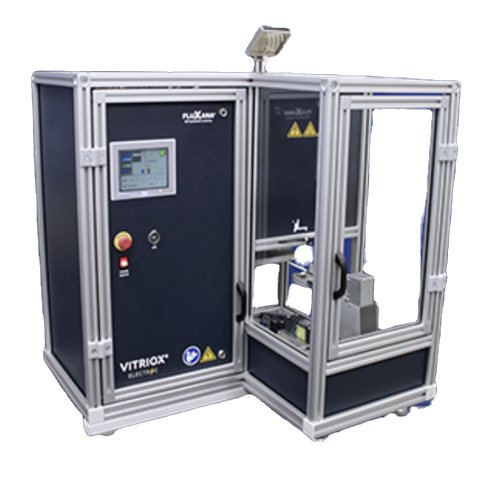
VITRIOX ELECTRIC
A fully automatic cold-to-cold electric fusion machine, one sample at a time, with 1, 2, 4 or 6 stations.
View details →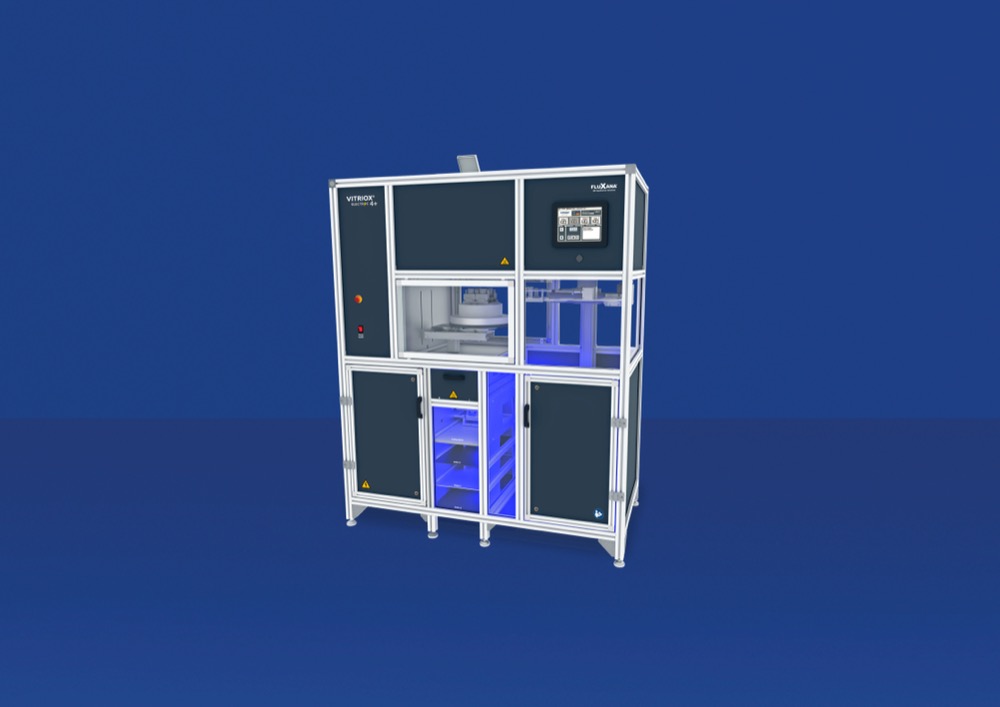
VITRIOX ELECTRIC 4+
A fully automatic electric fusion machine for high-throughput routine: four samples per fusion, 4–16 in continuous operation.
View details →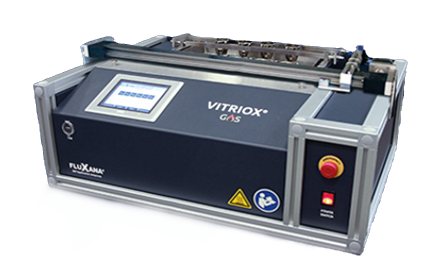
VITRIOX GAS
A gas-fired cold-to-cold fusion machine running up to six positions at once, with low power consumption.
View details →How It Works
How Sample Fusion Works
The machine melts the sample powder with a flux at high temperature in a crucible and casts it into a homogeneous glass bead. This removes particle-size and mineral-structure effects, so XRF results are accurate and repeatable.
- Homogeneous — the glass bead removes particle-size and mineral-structure effects.
- Accurate and repeatable — suits multi-mineral samples where pressed pellets give less accurate results.
- Calibrate with synthetic standards — make calibration beads from synthetic standards.
- Electric or gas — VITRIOX ELECTRIC and 4+ are electric; VITRIOX GAS is gas-fired.
Applications
What Is Fusion Used For?
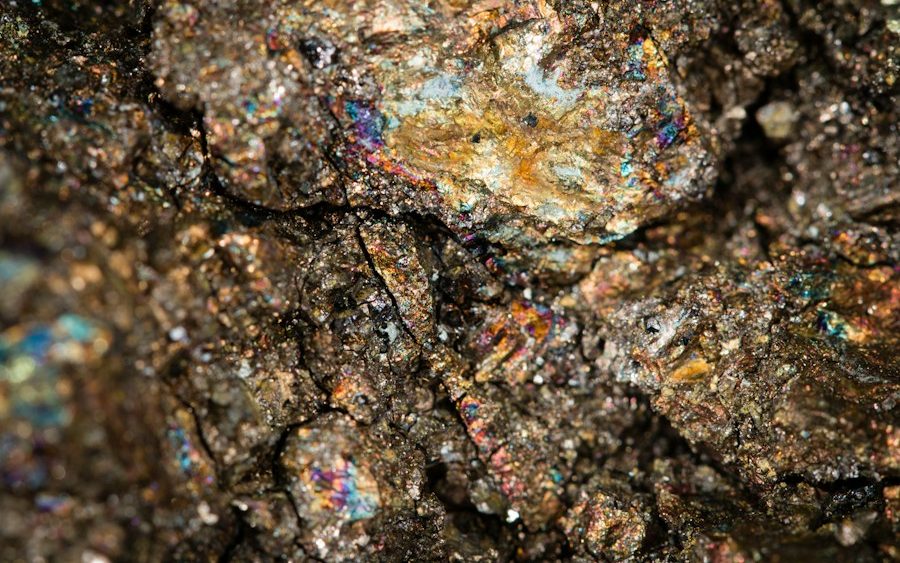
Ores, Minerals and Cement
Multi-mineral samples where particle size and mineral structure disturb the measurement, including clinker, raw materials and finished cement.
Ceramics, Glass and Refractories
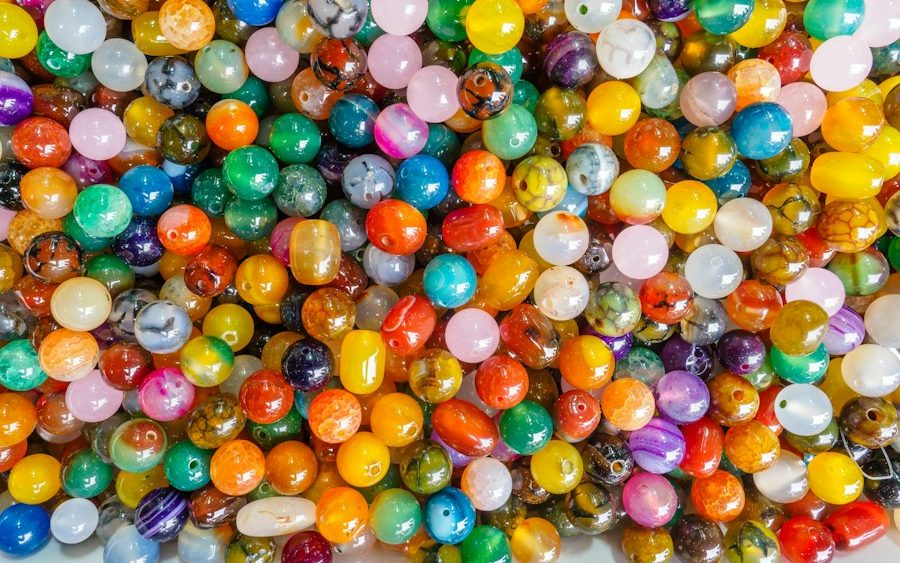
Ceramic raw materials, kaolin, sand, glass products and refractory materials.
Calibration Standards
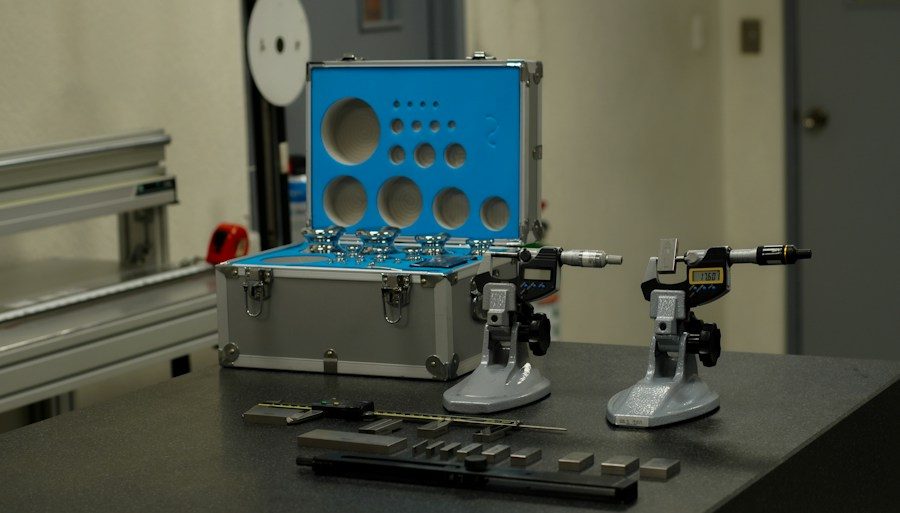
Prepare calibration beads from synthetic standards for your XRF.
When to fuse
Fusion versus pressed pellets
Fusion suits
- Highest accuracy and a fully homogeneous sample
- Multi-mineral or multi-phase samples where particle size and mineralogy disturb the result
- Calibration with synthetic standards
- Volatile-element analysis or quartz crucibles (model dependent)
Pressed pellets suit
- Screening and QC where speed and low cost per sample matter
- Samples that are already homogeneous
- See VANEOX pressing machines
The manufacturer
FLUXANA GmbH & Co. KG
FLUXANA GmbH & Co. KG was founded in 2002 by Dr. Rainer Schramm in Kleve, Germany, and is now based in Bedburg-Hau. It makes fusion and pressing equipment, fluxes and calibration standards for XRF sample preparation; its laboratory was accredited to DIN EN ISO/IEC 17025 in 2014.