XRD Systems for Crystal Structure and Residual Stress Analysis — by GNR
X-ray diffraction (XRD) analyses the crystal structure and phases of materials without destroying the sample, in powder or solid form. Results are reported as diffraction angle 2θ according to Bragg’s law (nλ = 2d sinθ). Two Theta quotes XRD systems and residual-stress analyzers from GNR for materials research and the metals industry — choose a model to see its specifications and details.
XRD models from GNR
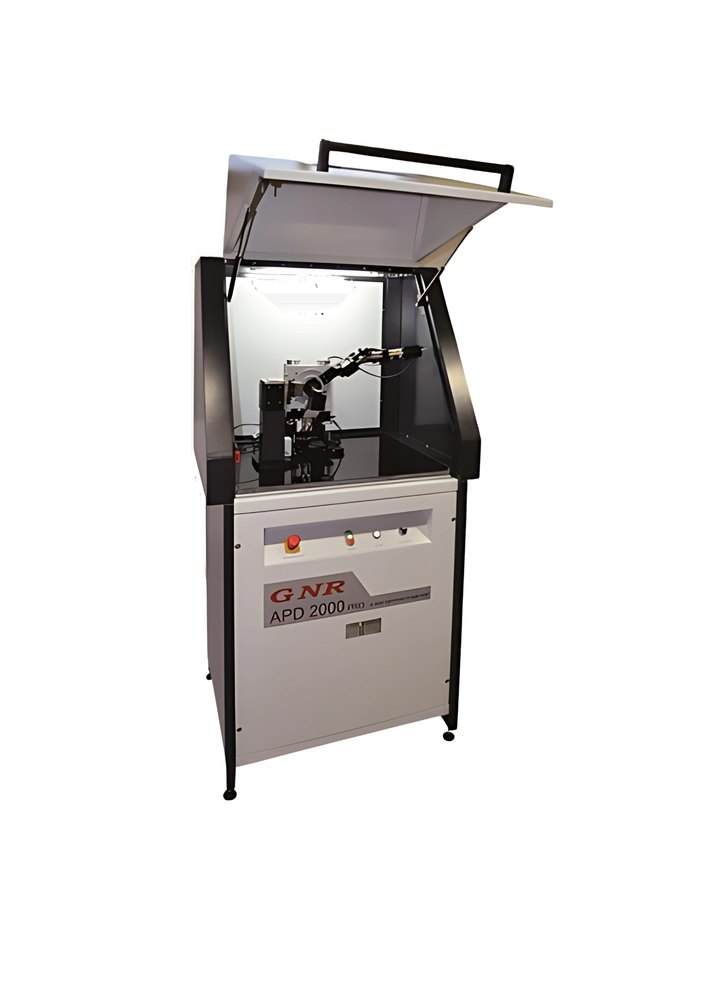
APD 2000 PRO
Powder X-ray diffractometer, Theta/Theta geometry
View details →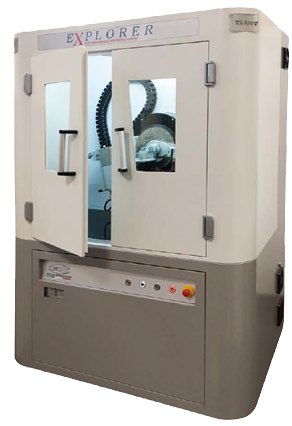
Explorer
Multi-purpose, high-resolution XRD system
View details →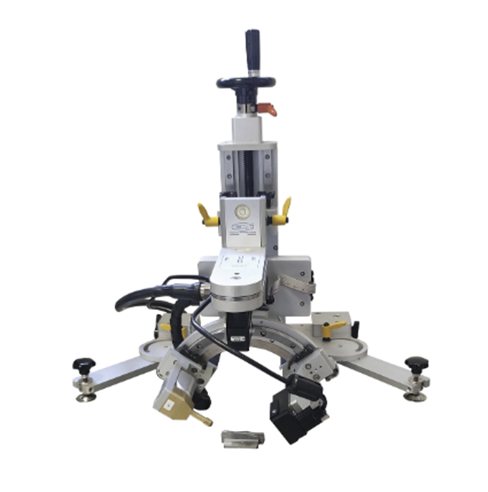
SpiderX-Edge
A portable Theta/Theta X-ray diffractometer for residual stress and retained austenite — in the laboratory or on the shop floor
View details →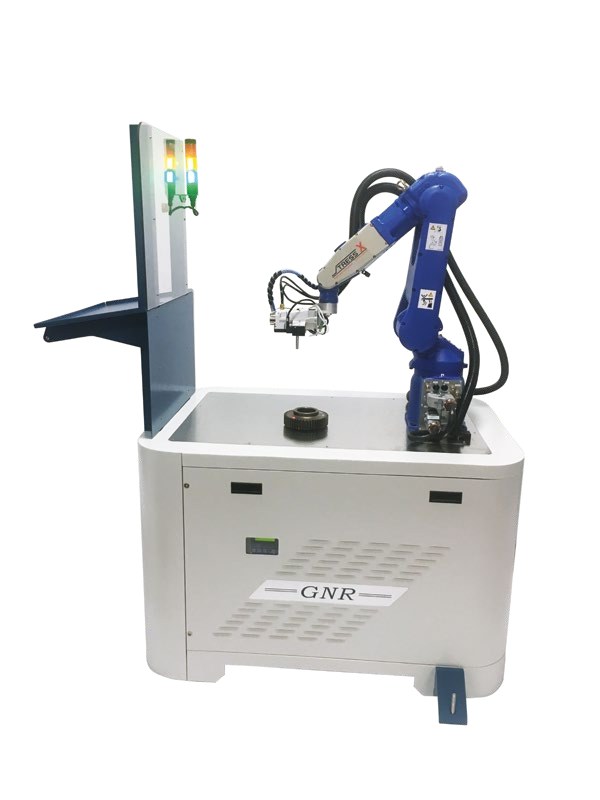
StressX
Robotic-arm-mounted residual-stress analyzer — positions the sensor head directly at the part
View details →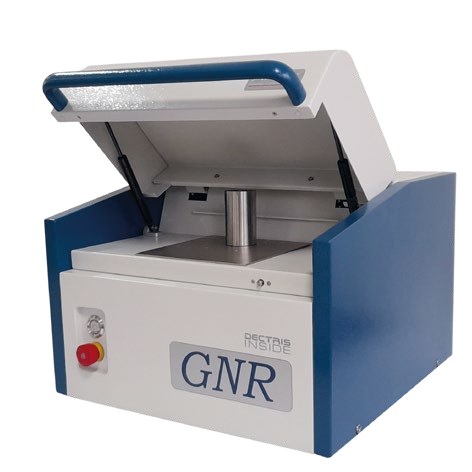
AreX D
Desktop retained-austenite analyzer
View details →How It Works
The Science of X-Ray Diffraction
X-ray diffraction is a non-destructive analytical technique that identifies and quantifies the crystalline phases present in solid materials and powders. Based on Bragg’s law, XRD provides clear phase identification, quantitative analysis and structural characterization — from routine quality control to advanced materials research.
- Non-destructive — XRD leaves samples fully intact. Recover and reuse your specimens after analysis.
- Qualitative and quantitative — Identify which phases are present and calculate their weight percentages using Rietveld refinement.
- ICDD database — Match diffraction patterns against ICDD reference data to identify phases.
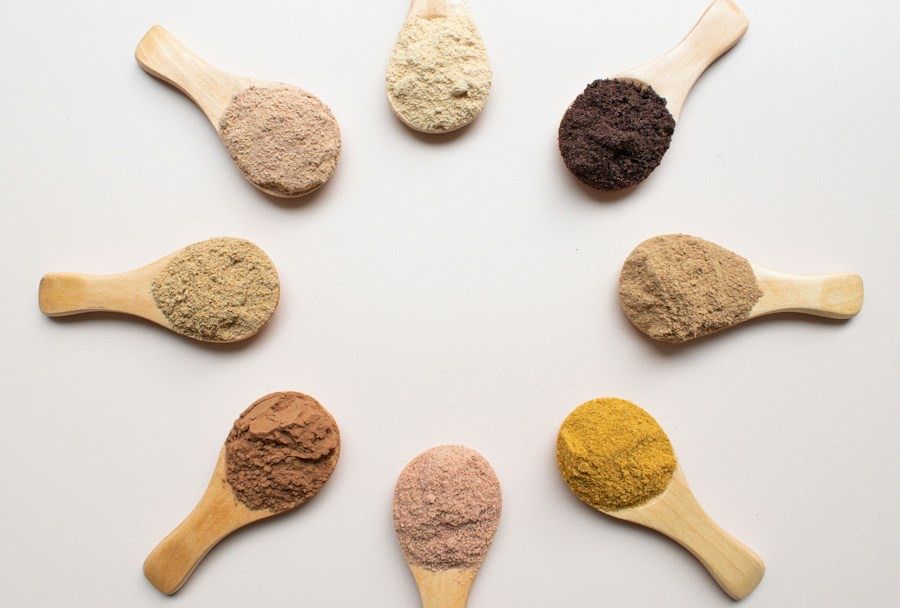
- Powder and bulk solids — Analyze samples as loose powder, pressed pellets or cut solids.
Applications
What Can XRD Do for You?
Phase Identification
Identify and quantify crystalline phases in geological, industrial and pharmaceutical samples using ICDD database matching.
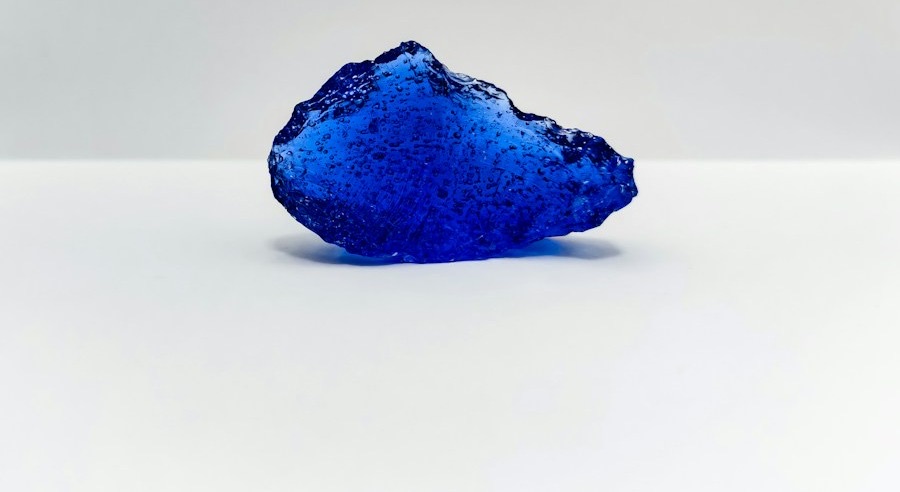
Crystal Structure
Determine unit cell parameters and structural data for novel compounds, minerals and synthesized materials.
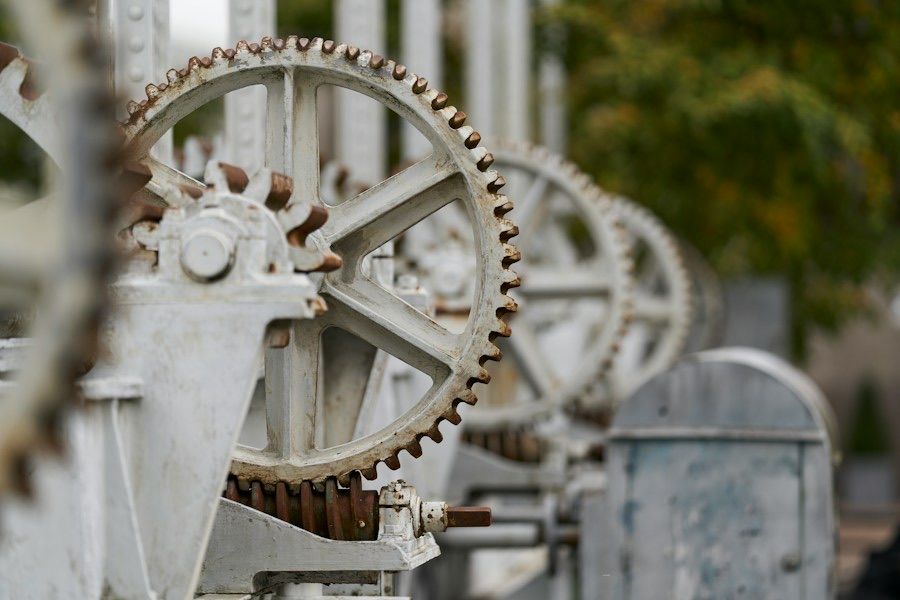
Residual Stress
Measure residual and applied stresses in metals, ceramics and composites via the sin²ψ or cos α method.

Texture Analysis
Characterize preferred crystallographic orientation (texture/ODF) in rolled metals, thin films and geological specimens.
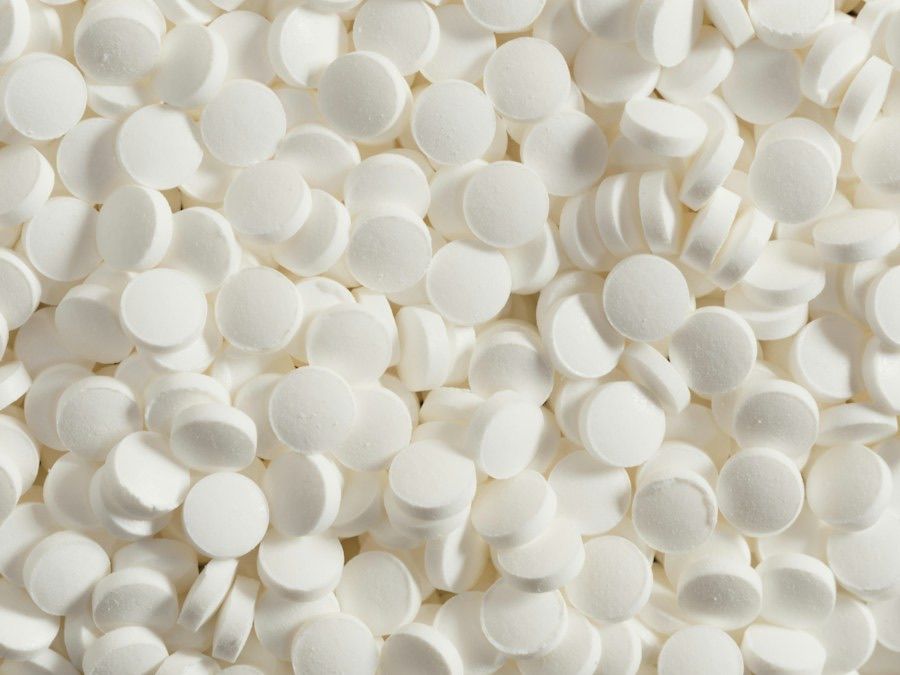
Pharmaceutical QC
Monitor polymorph content, crystallinity and amorphous fraction in active pharmaceutical ingredients and drug products.
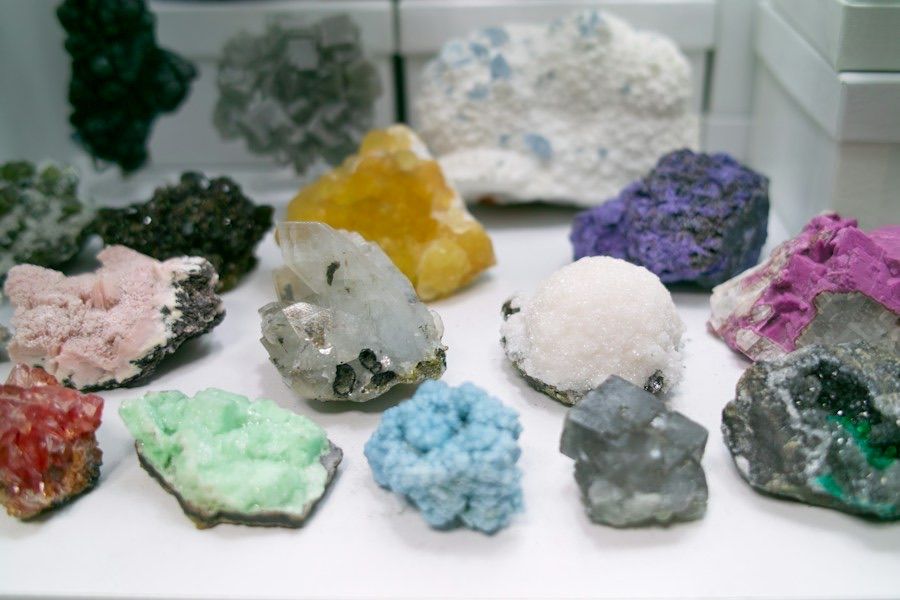
Mining and Geology
Quantify ore mineralogy, clay content and gangue phases in drill core and process samples for grade control and process optimization.
The manufacturer
G.N.R. S.r.l.
G.N.R. S.r.l. (GNR Analytical Instruments Group, Italy) was established in Milan in 1984 and builds advanced analytical instruments — X-ray diffractometers, XRF and TXRF analyzers and optical emission spectrometers — at Agrate Conturbia, near Novara. It has more than 40 years of experience.